
Veterinary Technician
Veterinary practices rely on Veterinary Technicians to help care for the pets we love.
- 242-hour externship
- Institutionally Accredited by ABHES
The dedicated support these animal-loving pros provide to veterinarians make them truly essential workers.
Overview
The Associate of Applied Science in Veterinary Technology program is designed to equip students with the advanced knowledge and hands-on clinical skills necessary to pursue careers as veterinary technicians. Taught by instructors with extensive experience in veterinary medicine, the hybrid program combines online lectures with on-campus laboratory training in a fully operational clinical setting. Students receive comprehensive instruction in veterinary nursing, anesthesia, surgical assisting, diagnostic imaging, laboratory procedures, and patient care while completing the educational requirements needed to pursue credentialing and excel in a variety of veterinary practice settings.
Program Highlights
- Graduate with an Associate of Applied Science in Veterinary Technology
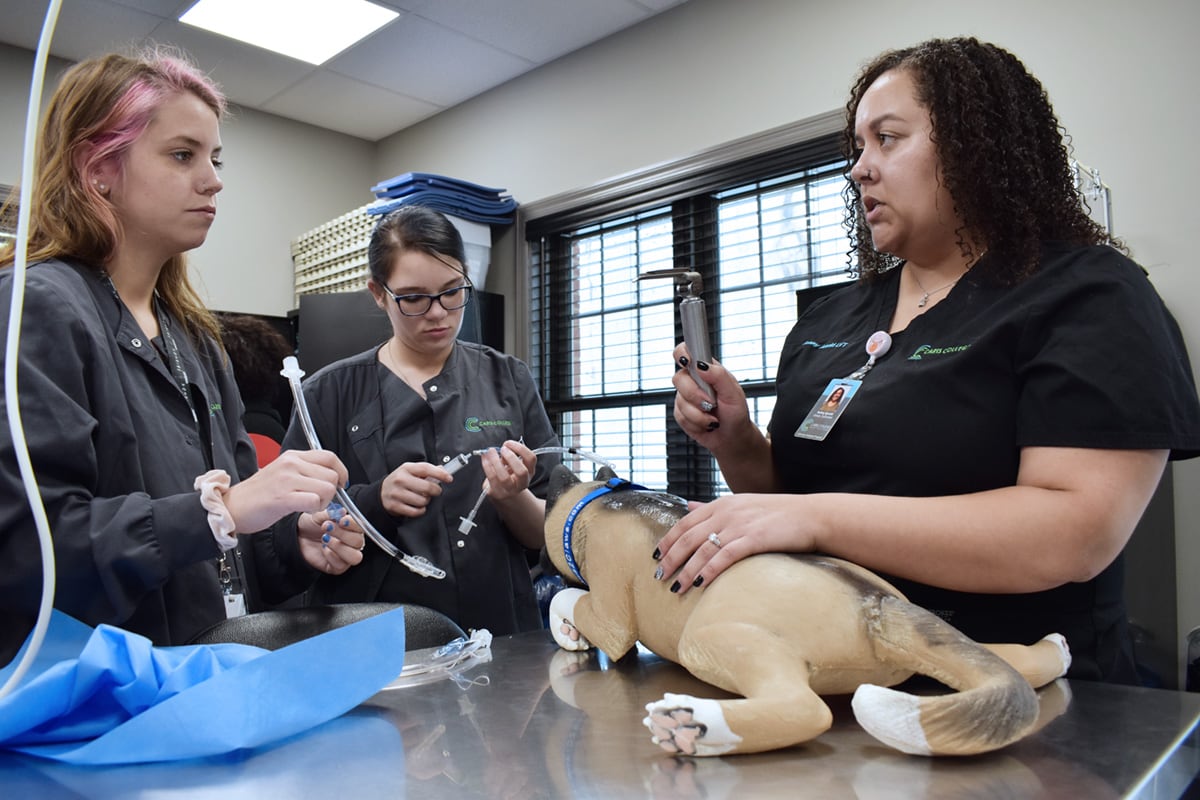
- Hybrid learning environment featuring online coursework with one day per week of hands-on clinical laboratory instruction
- Comprehensive training in anesthesia, surgical nursing, diagnostic imaging, laboratory procedures, dentistry, and patient care
- Clinical externship experience in veterinary practice settings
- Prepare to sit for the Veterinary Technician National Examination (VTNE) upon program completion and eligibility
- Career services and job placement assistance
- Small class sizes with experienced veterinary professionals
- Program pursuing AVMA CVTEA accreditation
- Institutionally Accredited by ABHES
Your career in animal care starts here!
Take a step towards your new career by scheduling a tour to experience our campus for yourself.
What you’ll learn
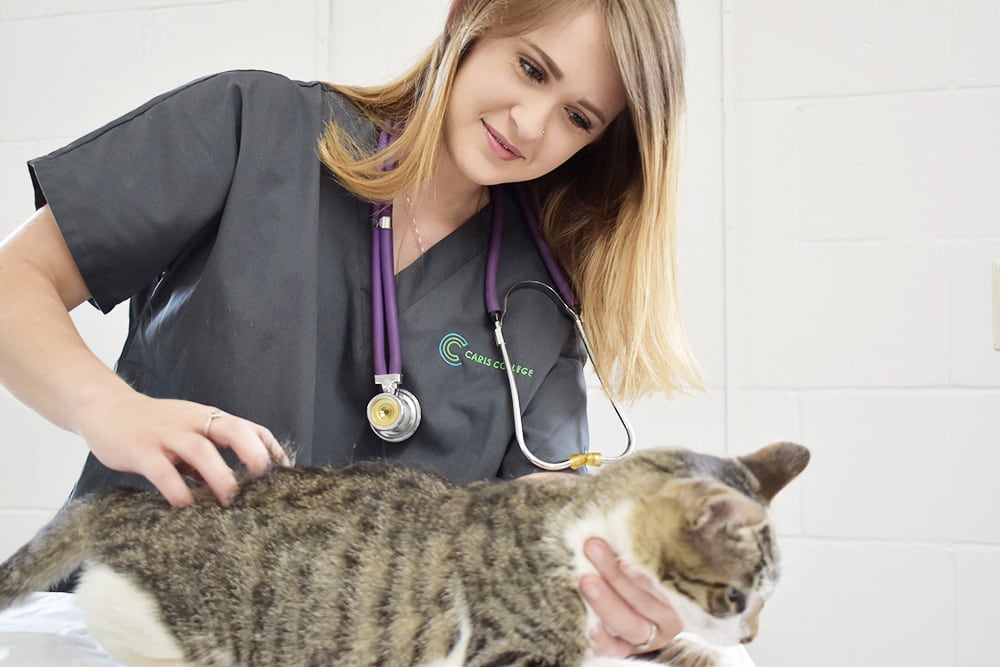
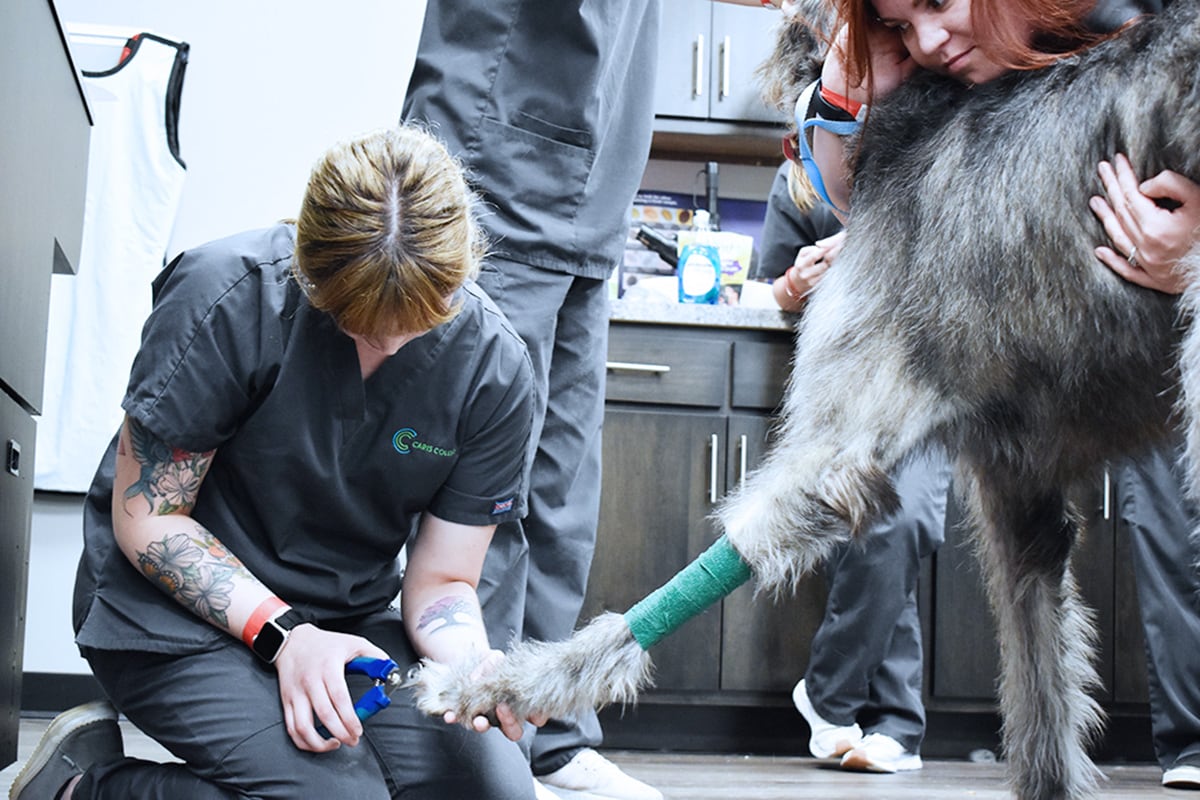
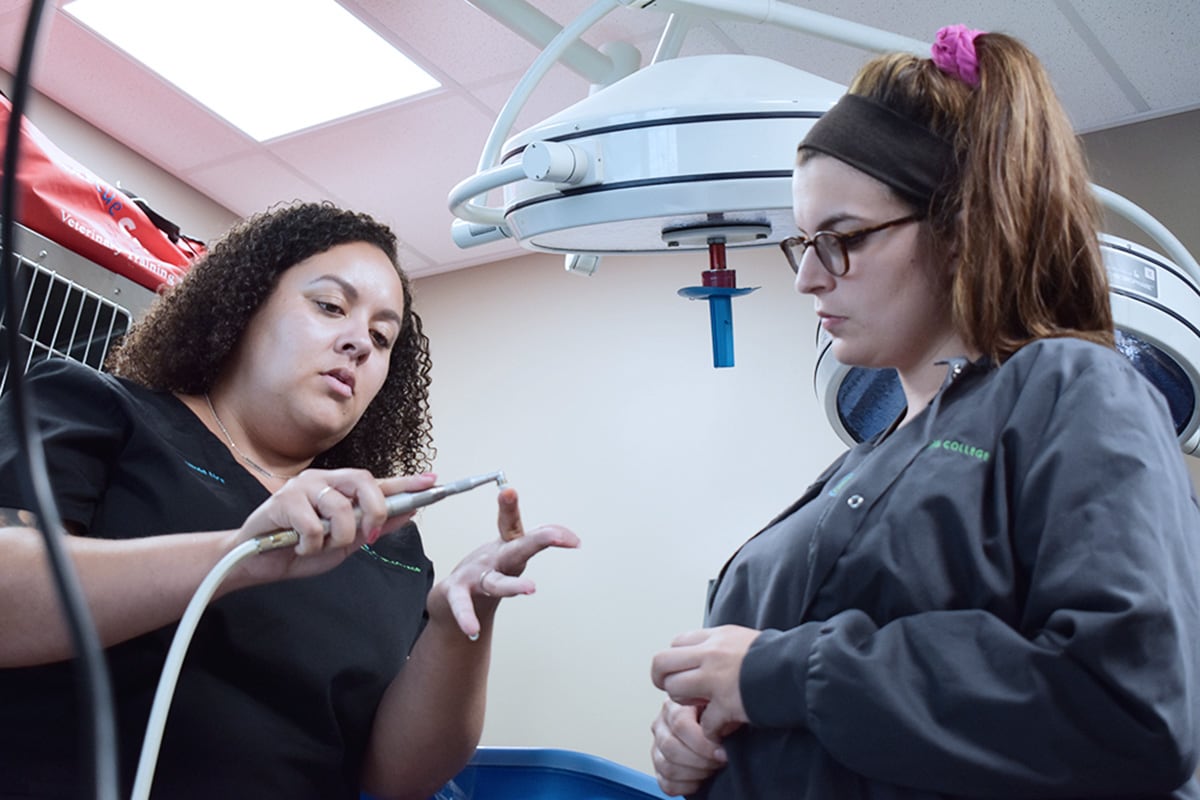
Students in the Veterinary Technology program develop the advanced clinical knowledge and technical skills required to provide comprehensive nursing care and diagnostic support under the supervision of a licensed veterinarian. Through a combination of online coursework, hands-on laboratory instruction, and clinical externships, students gain experience in the following areas:
- Veterinary nursing, including patient assessment, hospitalization, critical care, and nursing care for companion animals
- Anesthesia and surgical nursing, including patient preparation, anesthetic monitoring, pain management, surgical assistance, and recovery
- Pharmacology, including drug classifications, dosage calculations, administration techniques, and safe medication handling
- Clinical pathology and laboratory procedures, including hematology, urinalysis, cytology, parasitology, microbiology, and clinical chemistry testing
- Diagnostic imaging, including radiographic positioning, radiation safety, and image quality evaluation
- Dentistry, including oral examinations, prophylaxis, charting, and dental radiography
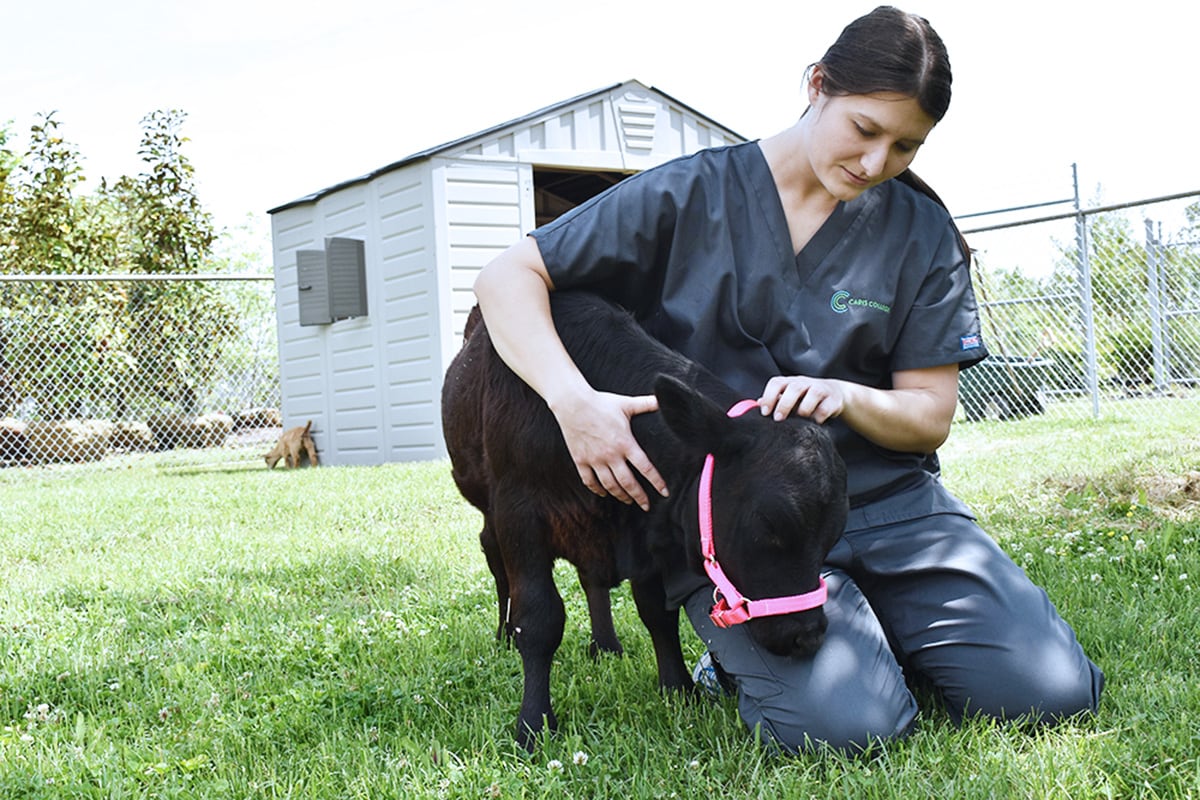
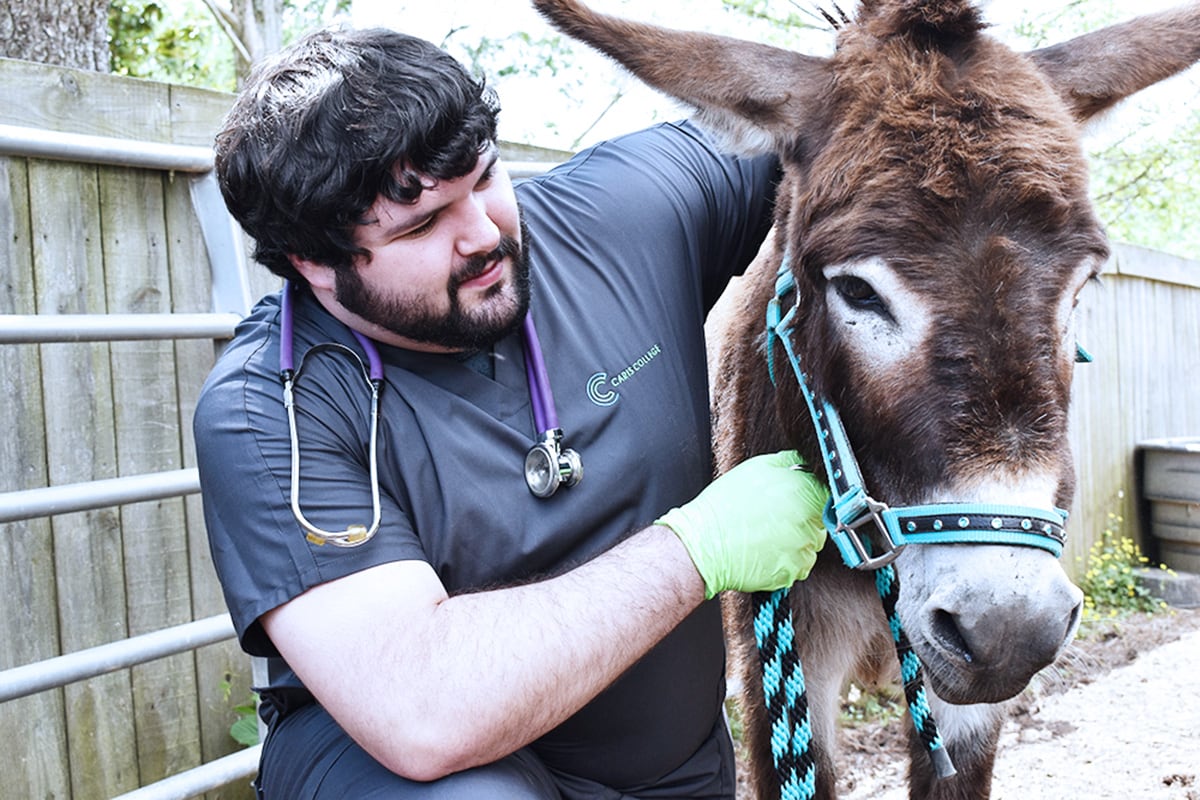
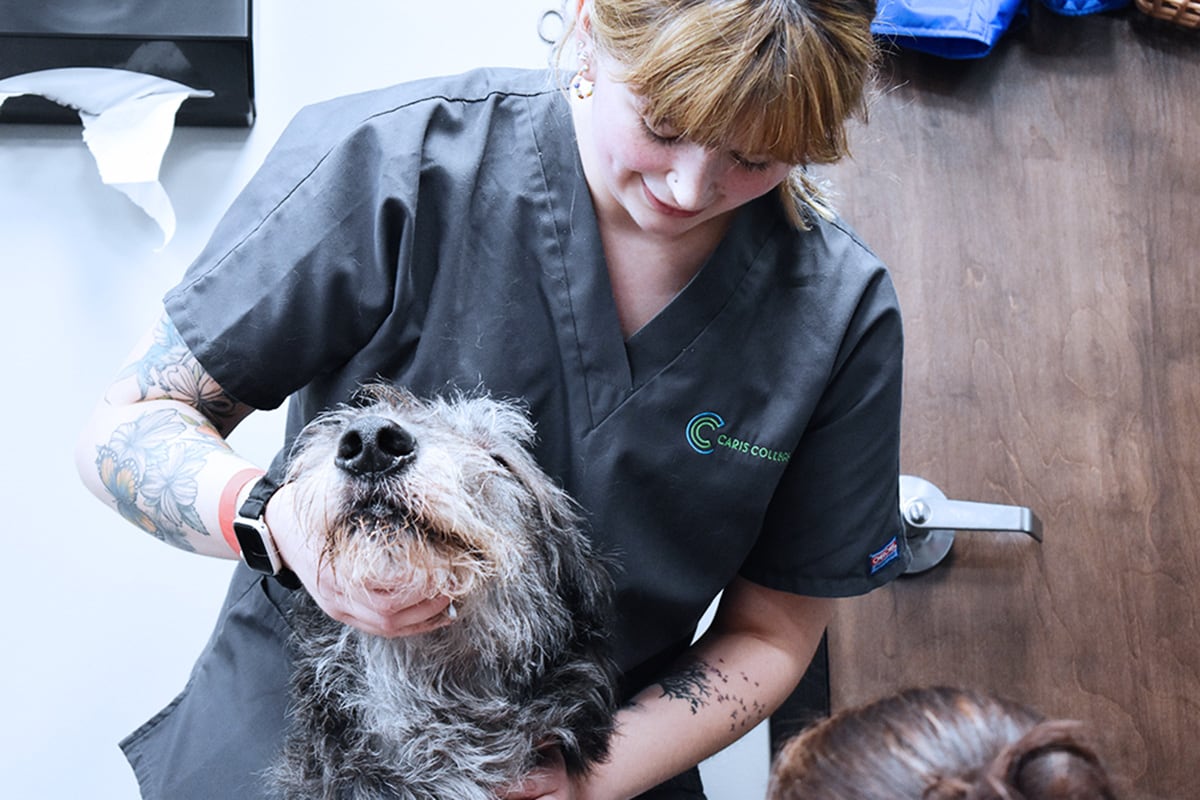
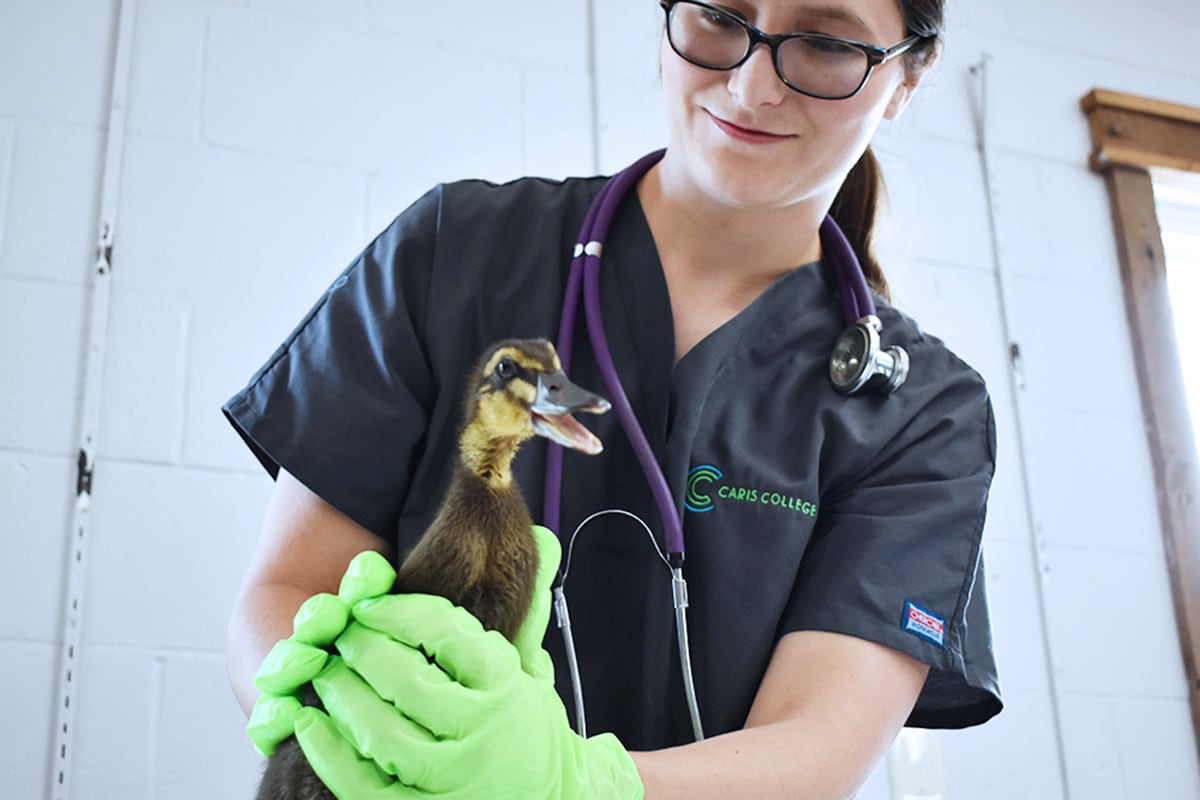
- Animal handling and restraint techniques for examinations, diagnostic procedures, treatments, and emergency care
- Client communication, education, preventive healthcare, nutrition, and professional veterinary ethics
- Veterinary practice management, medical record documentation, regulatory compliance, and collaboration within the veterinary healthcare team
Career Opportunities
Prepare for a rewarding career in veterinary medicine.
Graduates of the Associate of Applied Science in Veterinary Technology program are prepared with the knowledge and hands-on clinical skills needed to begin careers as veterinary technicians. The program is designed in accordance with AVMA CVTEA accreditation standards and is actively pursuing programmatic accreditation. Upon successful completion of the program, graduates may become eligible to sit for the Veterinary Technician National Examination (VTNE) as permitted by program accreditation status and applicable state credentialing requirements.
Animal Clinics
Animal Emergency Hospitals
Research Laboratories
Animal Shelters
Caris College Veterinary Technology graduates are prepared to use their advanced clinical knowledge and technical skills in a variety of veterinary and animal health settings, including:
- Small Animal Veterinary Clinics
- Mixed Animal Practices
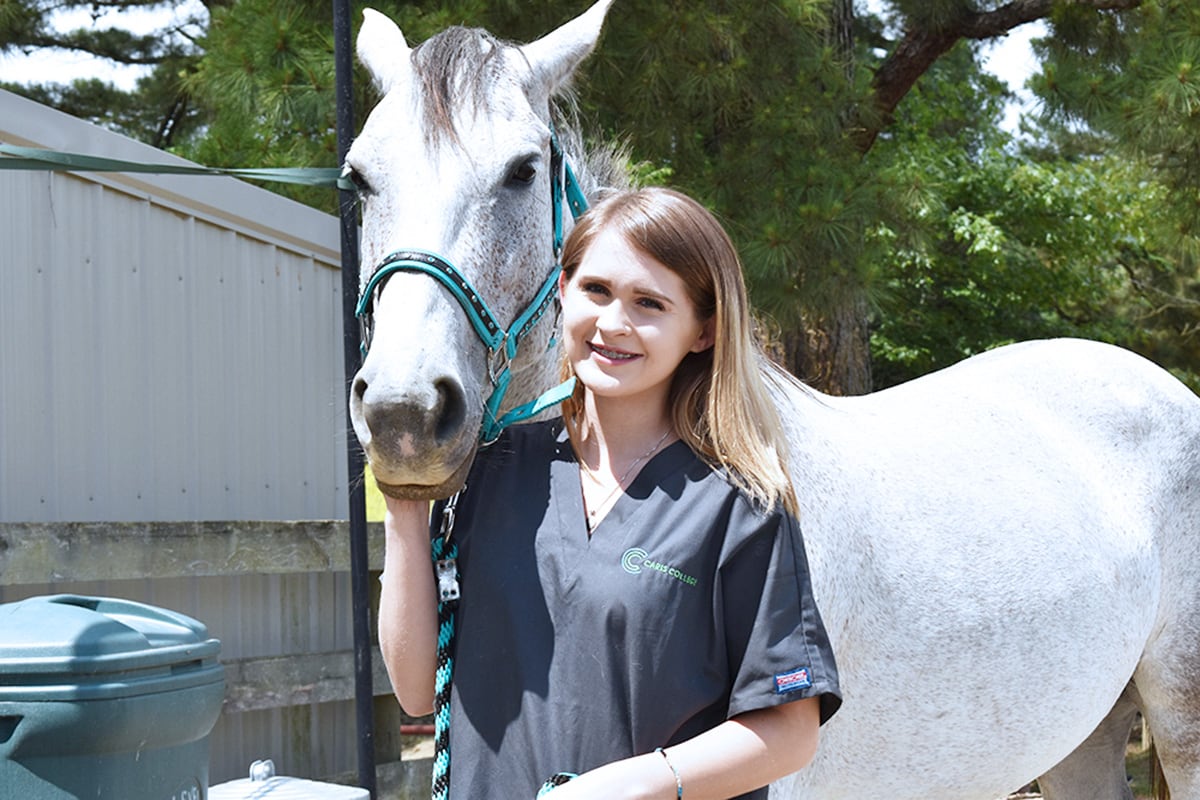
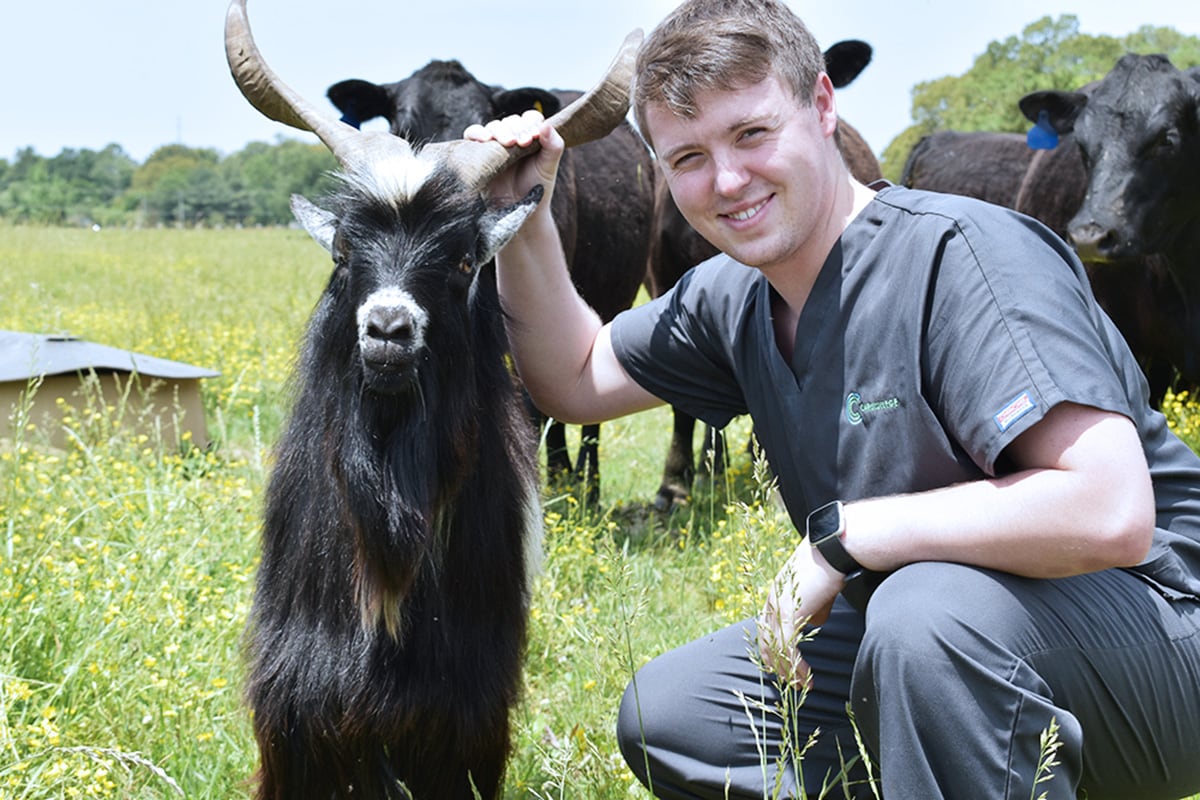
- Large Animal and Equine Practices
- Emergency and Specialty Veterinary Hospitals
- Veterinary Diagnostic Laboratories
- Animal Shelters and Humane Societies
- Wildlife Rehabilitation Centers
- Zoos and Aquariums
- Research and Biomedical Facilities
- Veterinary Pharmaceutical and Nutrition Companies
- Government and Public Health Agencies
- Veterinary Education and Teaching Facilities
learn more
Complete the form below, and one of our admissions advisors will contact you to walk you through the process of joining the Caris College family.
"*" indicates required fields