
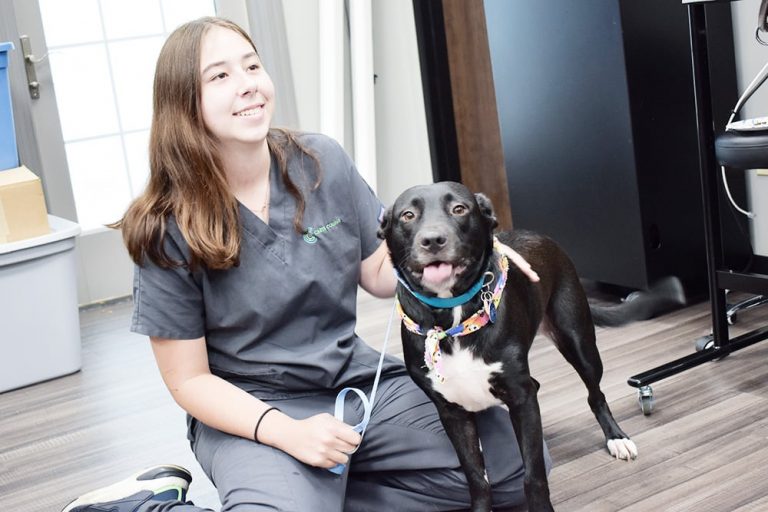
When it comes to animal healthcare, the true heartbeat of a successful practice often lies in the quality of client communication. At Caris College, we recognize that a veterinary assistant is often the primary bridge between the veterinarian and the client. In veterinary assistant jobs, the ability to translate complex medical jargon into compassionate advice for pet owners can be just as important as the medical care itself.
Understanding Client Communication in Veterinary Medicine
In a veterinary setting, client communication involves sharing information regarding a pet’s health, treatment plans, and preventative care with their owners. Unlike human medicine, veterinary patients can’t speak for themselves. This means the communication is entirely dependent on how well the staff can educate and support the pet owner.
Effective communication in veterinary assistant jobs involves:
- Active listening: Truly hearing a client’s concerns about their pet’s behavior and symptoms
- Empathy: Acknowledging the deep emotional bond and potential anxiety a client feels when their pet is ill
- Clarity: Explaining post-operative instructions or medical dosages clearly without using overwhelming technical terms
The Crucial Role of a Veterinary Assistant
In the day-to-day reality of veterinary assistant jobs, you are the “face” of the clinic. While veterinarians focus on diagnosis and treatment, assistants manage the flow of the visit and ensure clients feel heard. This allows the rest of the veterinary team to work efficiently, promoting a greater quality of care and ensuring no detail is overlooked.
Responsibilities of a veterinary assistant typically include:
- Initial intake: Gathering a patient’s medical history while making the owner feel welcome
- Education: Explaining the importance of vaccines, flea/tick prevention, and dental hygiene
- Follow-ups: Calling clients to check on a pet’s recovery after a procedure, building trust in the practice
In all three areas, effective client communication improves the quality of patient care. Thorough and accurate information-gathering on intake equips the veterinary team with a full understanding of a patient’s condition. Educating pet owners about preventative care helps pets stay healthy. Follow-ups after vet visits help to reduce pet owner anxiety and ensure that any complications are detected promptly.
Starting Your Career with Veterinary Assistant Training
In the veterinary world, “soft skills” can help a candidate stand out during the hiring process. That’s why mastering the art of client communication is so important for individuals pursuing veterinary assistant jobs.
If you have a passion for animals and a knack for communication, a career as a veterinary assistant might be the perfect choice for you. The path to veterinary assistant training is designed to be comprehensive and hands-on, focusing on both the technical and interpersonal skills required in modern veterinary clinics. Enrolling in a dedicated program, like the Veterinary Assistant training program at Caris College, ensures you learn essential skills, such as animal anatomy, surgical assisting, office management, and effective communication.
Launch Your Career at Caris College
Are you ready to turn your love for animals into a rewarding career? At Caris College, our comprehensive Veterinary Assistant program is designed to get you career-ready in as little as 10 months. Effective communication and technical expertise are the pillars of the veterinary assistant jobs of tomorrow, and we’re here to help you in your journey.
Enroll in the Caris College Vet Assistant program today and start making a difference!
Key Takeaways
Why is communication important in veterinary assistant jobs?
Veterinary assistants act as a bridge between veterinarians and pet owners, helping translate medical information into clear, compassionate guidance so owners understand their pet’s health and care needs.
What communication skills are important for veterinary assistants?
Key skills include active listening to understand client concerns, empathy for worried pet owners, and clear explanations of treatments, medications, and care instructions.
How do veterinary assistants use communication in daily work?
They gather patient information during intake, educate owners on preventative care like vaccines and dental health, and follow up after procedures to support recovery and build trust with clients.