
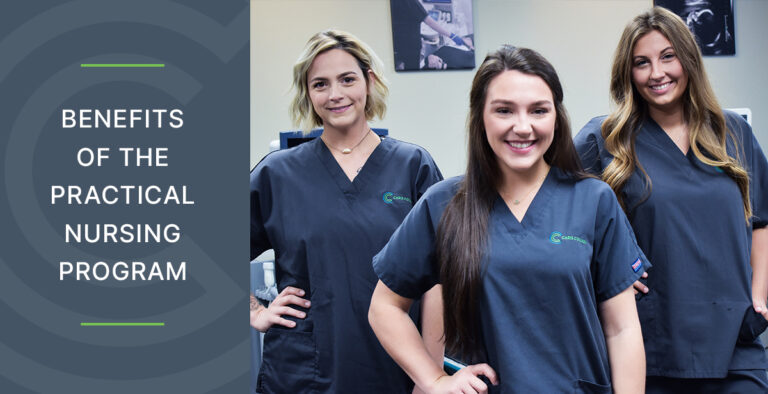
Becoming a licensed practical nurse offers an opportunity to make a difference to people’s lives and work in a rewarding medical career. This job requires extensive academic study and practical experience, but earning the Licensed Practical Nurse (LPN) certification opens incredible career opportunities. Whether becoming an LPN is your end goal or if you’d like to eventually climb further up the career ladder, LPN training and certification is an ideal starting point for your new career. Keep reading to learn more about becoming an LPN and how to succeed in LPN training.
What Is a Licensed Practical Nurse (LPN)?
A licensed practical nurse provides essential care to patients in hospitals, clinics, nursing homes and other settings. These care professionals work directly with their patients, monitoring their well-being, assisting with general medical care and even administering medication.
What Kind of Education is Needed to Become One?
To become an LPN, you need a high school diploma or a GED and complete a suitable vocational training course, then pass the National Council Licensure Examination for Practical Nurses (NCLEX-PN).
The LPN vocational course covers a mixture of practical skills and theoretical knowledge, and the licensing exam ensures that learners can safely work with patients and deliver a high standard of care.
Tips For Studying for the Practical Nursing Exam
In general, it takes about one year to qualify as an LPN, assuming you pass the NCLEX-PN on your first attempt. If you fail the exam, you must wait 45 days to retake the test. Good preparation will help you pass the first time.
1. Have a Study Schedule
It may have been possible to cram for exams during your earlier schooling, but the NCLEX-PN covers some complex topics. You’ll be more likely to retain the information if you study a little bit every day throughout the year, rather than trying to re-learn everything at the last minute.
2. Take Advantage of Modern Resources
Use test prep websites, online chat groups, YouTube videos and other resources to get a fresh take on the information.
3. Your College is There to Support You
If you’re struggling to understand any of the course material, talk to your tutors and instructors. They’ve been there before and will understand more than you think.
4. Take a Break Sometimes
It’s alright to take a break every now and then. If you’re feeling confused or burnt out, step away from your desk for a while and come back fresh and ready to study again.
Start Your Journey to Nursing Today
At Caris College, we offer an accredited 12- month LPN training program which includes 506 hours of clinical experience. At the end of the program, learners will have the skills they need to work as an LPN.
If you’re interested in starting a career as an LPN, our institutionally accredited practical nursing qualification could be ideal for you. Contact us today to discuss your options, learn about financial aid options, or enrol as part of the next intake.
Key Takeaways
What does a Licensed Practical Nurse (LPN) do?
LPNs provide direct patient care, monitor patient health, assist with medical treatments, and administer medications in settings such as hospitals, clinics, and nursing homes.
How do you become an LPN?
You need a high school diploma or GED, complete an approved practical nursing program, and pass the NCLEX-PN licensing exam.
What are some effective LPN study tips?
Create a consistent study schedule, use modern learning tools like practice tests and study apps, seek help from instructors when needed, and take breaks to avoid burnout.